World Communion Sunday art

World Communion Sunday Art

World Communion Day takes place on the first Sunday in October each year.

Here are some Communion images I have drawn this year.

You can also view previous World Communion art at this link: World Communion.

Paid subscribers and donors can copy and download various sizes for use.

New Year Bulletin cover

Cup of Many Colors  Celebrationcol

Sacred Solsticecol

Communion24col  mt2024COL

Com24col

Cherished Chalicecol  Cherished Chalice

Common Cupcol  Common Cup

Ordinary 25B art – Psalm, Gospel, and Epistle

Ordinary 25B art and coloring pages. Psalm, Gospel, and Epistle.

Paid subscribers and donors can copy and download various sizes for use.

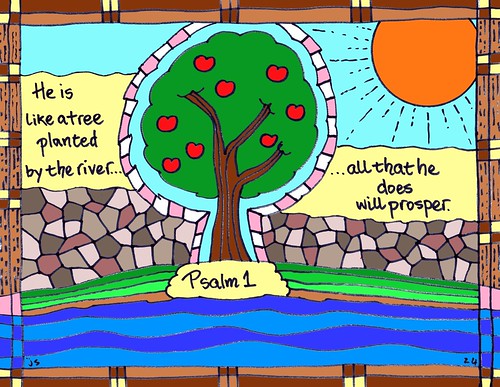
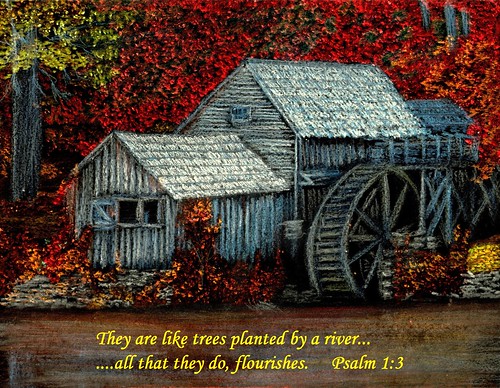
Psalm 1

Psalm1col

Psalm1

Eas7Bcol

Eas7B

25B - Psalm 1

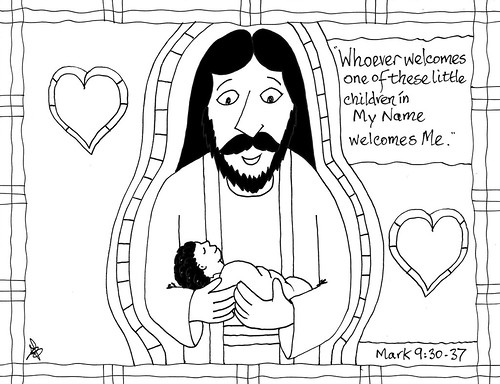
Gospel – Mark 9:30-37

Jesuswelcomecol

Jesuswelcome

Epistle: James 3

Ordy 25Bcol

Ordy 25B

Narrative Lectionary art – Year 3 Week 3 – Jacob and Joseph

Narrative Lectionary Year 3 Week 3. Jacob and Joseph.

Genesis 37 art and coloring page. Jacob and Joseph with some angry brothers.

Paid subscribers and donors may copy and download various sizes for use.

W03 - Jacob and Josephcol

W03 - Jacob and Joseph

Sunday Shorts – Speaking Plainly

Ordy 24BsMark 8:32 Jesus spoke plainly about this, so Peter took him aside and began to rebuke him.

Some people never grow up. In my many years of ministry, I’ve come across some sad people who live as if they’re still adolescents and take no responsibility for their actions. When things get tough, they ignore the crisis and avoid the issues. Some of them retreat into a petulant corner; others become addicted to alcohol, drugs, or porn. Instead of seeking God’s help or good counsel, they carry on their reckless ways. It usually ends in tragic circumstances or bitterness. That’s what makes it all so sad.

I think Peter the disciple had a similar problem. When things were going well, he was probably the life and soul of the party. However, when Christ spoke about arrest and execution, as well as defeat and death, Peter desperately sought to avoid the impending reality. He didn’t want to listen to negative words. He didn’t want to accept Christ’s fearful prophecies. He wanted the sacred circus and miraculous merry-go-round to continue. He couldn’t face the obvious truth that Christ was expressing.

Within all of us, there’s a comparable attitude. We want life to be jolly, our hearts to be happy, and our days filled with gladness. We have made the pursuit of happiness our reason for living, instead of enjoying God and praising Him forever. We don’t want to change our ways or be challenged by Christ’s words. We want our faith to be warm and fuzzy, instead of challenging and life-altering. In other words, we really don’t want us to be focused on Christ; we want Him to be focused on us.

Point to ponder: Do I form Jesus into what I want Him to be, or do I allow Him to re-shape me?

Prayer: Lord Jesus, speak plainly to our hearts and minds. Grant us a better understanding of what You want to do with our lives. Keep us from deluding ourselves and help us to devote our lives to You. In Your Holy Name, we humbly pray. Amen.

John Stuart is a retired Scottish Presbyterian pastor now living in Knoxville, Tennessee.

Sabbath Psalms – Sins of Omission

Psalm 019sPsalm 19:12 Who can discern his errors? Forgive my hidden faults.

I once was given the opportunity to teach two English literature classes in my daughter’s High school class. It all came about when her teacher referred to Britain as ‘England.’ My daughter took offense at this and reminded her teacher that Britain is made up of several nations, which includes Scotland. Thankfully, her teacher accepted what she had to say and, in the ensuing conversation, I somehow got volunteered to teach two classes about Scotland’s contribution to English literature, especially the works of Robert Burns, the world’s greatest poet.

This highlighted verse from the psalmist reminded me of something that Burns once wrote. The psalmist talks about hidden faults, and how each of us are blind to some of the persistent mistakes that we make. In the past, ministers would call these the ‘sins of omission,’ the things that we neglect to do, as well as the mistakes that we unconsciously commit. In one of his poems, Burns put it this way:

‘O the pow’r that God wad gie us, to see ourselves as ithers see us.’

(O the power that God would give us, to see ourselves as others see us)

Sometimes, we are blind to the sins we commit and the mistakes that we habitually make. If only we had the power to see ourselves making those mistakes, which others around us notice, for then we would be empowered to avoid repeatedly making them.

Perhaps today we could all make a conscious effort to watch what we do or say; to be careful about the witness to Christ that we project, to be aware that we are not perfect all of the time. And at the end of the day, as we make our confessions and give thanks to God in prayer, let’s also remember to ask forgiveness for our hidden faults, those sins of omission that we constantly fail to recognize.

Point to ponder: What sins do I constantly repeat? How can I change this?

Prayer: Lord Jesus, sometimes we unknowingly hurt other people and offend You with our frequent mistakes. Sometimes the things we say and do, or the things we neglect to say or do, cause us to disappoint others and sin against You. Help us to recognize our recurring mistakes and give us the ways and means to avoid our sins of omission. In Your Holy Name, we pray. Amen.

John Stuart is a retired Scottish Presbyterian pastor now living in Knoxville, Tennessee.

Ordinary 24B art – Gospel and Psalms

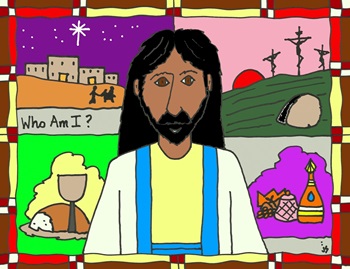
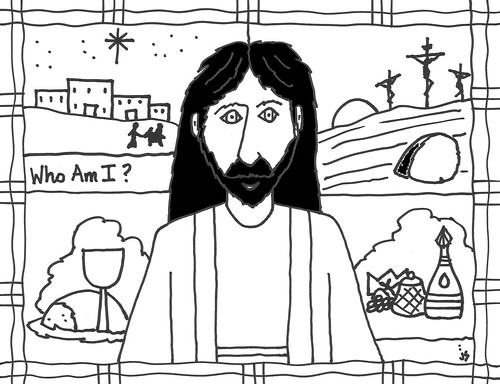
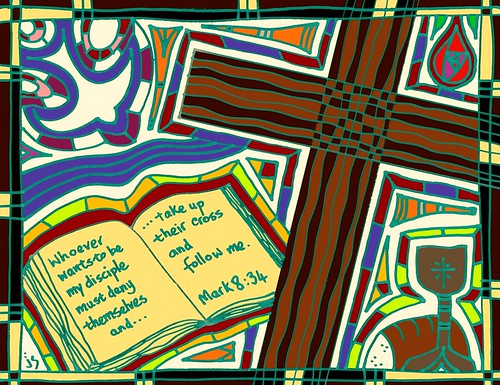
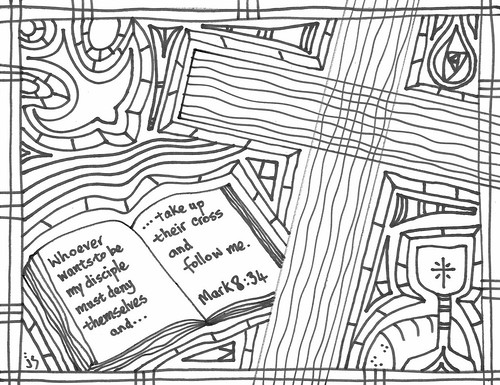
Mark 8:27-38 and Psalm 19 bulletin covers and coloring pages for Ordinary 24B, Proper 19, and Pentecost 16 Sundays. Paid Subscribers and one-time use donors may copy and download for use in bulletins, worship screens, webpages, Facebook posts and coloring sheets.

WhoAmIcol

WhoAmI

WhoAmIcolv

WhoAmIv

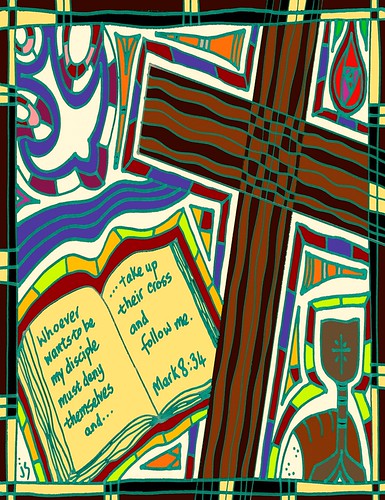
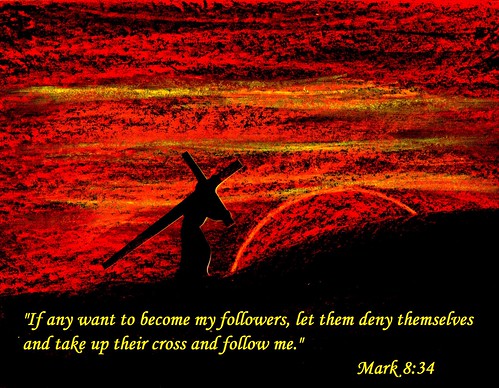
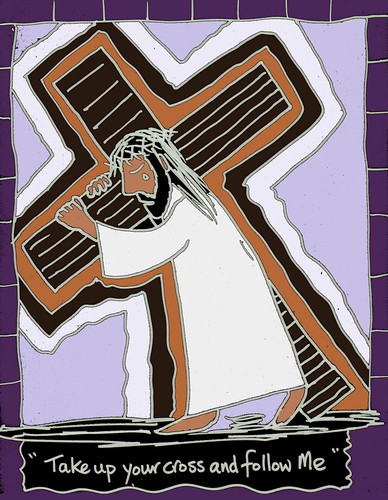
Gospel passage – Mark 8:27-38 – Take up your cross

Take Up Your Cross

Mark8v34bw

Mark8v34colbw

Mark8v34colv

Mark8v34colvbw

Ord24B-Mark8

Take Up Your Cross

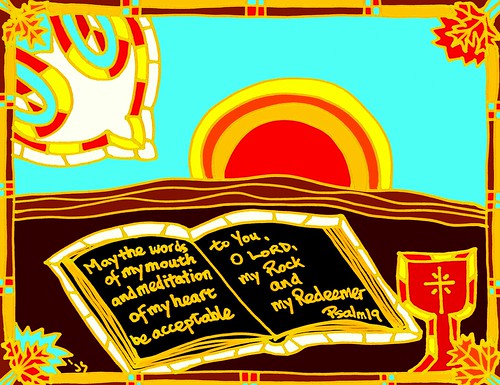
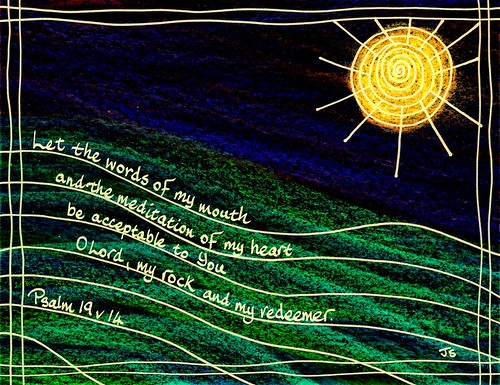
Psalm 19

Psalm 19

Psalm 19

Psalm 19

Psalm 19

Psalm19h

Psalm 19

Sunday Shorts – Prejudice and Prayer

Ordy 23BsMark 7:26 The woman was a Greek, born in Syrian Phoenicia. She begged Jesus to drive the demon out of her daughter. (NIV)

Years ago, just after my family had moved with me to the United States from Scotland, one of my daughters had a bad experience. A girl that she played with at school fell out with her one day and the two of them got into an argument. At one point in the heated conversation, the girl who had been my daughter’s friend suddenly shouted out, “You’re no friend of mine. You’re just a dirty little foreigner.” It hurt my daughter immensely and she cried about it for days.

It was a very cruel thing to say which is why years later all of our family constantly defends the right of immigrants coming into the United States and being treated fairly and respectfully. Whenever we hear or read of others being castigated just because they were born in a different country, we confront that inhumanity. It’s also sad to see some of our friends in the UK also condemning foreigners, especially boat people who are desperate to find safety and asylum in Britain. It makes me wonder about how we’ll be received at the gates of heaven after death because we’ll be hoping to be let in to God’s Eternal Kingdom. How we treat foreigners on Earth may be the same standard that God applies to us when we ask for eternal sanctuary!

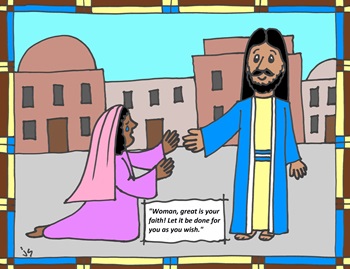
When I read the Gospel story in Mark 7 about the Syrophoenician woman who begs Jesus to heal her daughter, I admire her tenacity. At one point, Jesus appears to call her a foreigner who is not worthy of His consideration. Despite this setback, the distraught mother pleads with Christ to cure her child. It’s this persistence that amazes Jesus and He compassionately agrees to heal the young girl.

Tenacity and perseverance are two qualities that faithful, prayerful people possess. I’ve admired Christians who are prayer warriors in their communities and whose words of constant intercession have changed lives through Christ’s spirit. As Lord Tennyson once wrote, “There are more things wrought by prayer than the world dreams of.”

Point to ponder: How prayerful am I? Do I believe that prayer actually changes things? Have I any prejudices that I should be concerned about?

Prayer: Lord Jesus, every day we bring to You our prayers, but sometimes we take you for granted or we casually list our concerns to You. Help us to understand the true power and potential of prayer. Enable us to use it effectively in our faithful lives. In Your Holy Name, we sincerely pray. Amen.


John Stuart is a retired Scottish pastor now living in Knoxville, Tennessee.

Sabbath Psalms – Doing Good

Psalm 125sPsalm 125:4 Lord, do good to those who are good, to those who are upright in heart. (NIV)

The great Jewish scholar of the 20th century, Martin Buber, once said that atheists exist to show religious people how to be good. Their acts of charity and humanity are not done to please God or to fulfill a religious obligation. Atheists help others because they are genuinely concerned about the needs of vulnerable people and are not looking for any reward in return. Buber concluded that if religious people wanted to honestly help others, they should do it as if God didn’t exist, making themselves responsible for the wellbeing of their fellow human beings.

It is a very challenging thought and if today’s verse is to be applied that way, it means that religious people should pray for those who do good in their communities no matter what religion they follow, or even if they follow none at all. Far too often we promote our own congregational or denominational missions and proudly revere them as badges of compassion and courage which honor our sectarian beliefs and churches. But what about the numerous good works that take place outside of our faith communities? Shouldn’t we also seek ways to support and honor them for what they positively accomplish? And, according to this highlighted verse, shouldn’t we be asking God to bless their good works too, liberating ourselves from the narrow notion that only God-fearing people can achieve things which please God?

In our present broken and divided world, we need to change what we’re doing and see other people in a different light. Just because they don’t believe in what we believe, doesn’t mean to say that we should belittle their good deeds or castigate them for being atheists. They may be doing more to make the world a better place through their sincere compassion than we can with our rigid religious rules. As Martin Buber pointed out last century, they may still be able to show us how to be good and do good things in our community and the wider world.

Point to ponder: Which charities do I support outside my church?

Prayer: Lord Jesus, challenge our narrow-minded ways and grant us a new vision of where good is being done beyond our churches. Help us to be mindful of the good causes in our communities that could also do with our support and love. In Your Holy Name, we pray. Amen.

John Stuart is a retired Scottish Presbyterian pastor now living in Knoxville, Tennessee.
Sunday Shorts – Our Own Rules

Ordy 22BsMark 7:8 “You have let go of the commands of God and are holding on to human traditions.” (NIV)

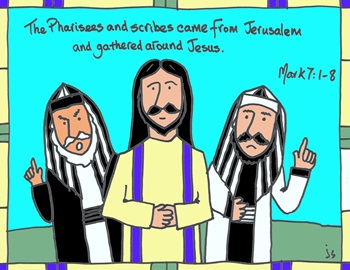
One of the biggest things that Jesus had to contend with was the fact that some contemporary religious groups had made up their own rules and regulations about applying their faith rather than following the simple commands of God. Take the Pharisees, for instance. They had taken God’s laws about working on the Sabbath to an absurd degree so that if you had a false tooth and kept it in your mouth during the Sabbath, you were actually carrying something which was vehemently prohibited and considered to be a blasphemous breaking of God’s command. Rules like that enabled the Pharisees to consider themselves spiritually superior as they fanatically followed them; everyone else was imperfect and sinful, unworthy of God’s blessing.

When Jesus appeared, He questioned these absurdities and exposed the hypocrisy of the Pharisees. This is why He said they were more into following and idolizing their own rules rather than humbly applying God’s commands. And the more that Jesus pointed this out, the more religious enemies He encountered. Christ was upsetting their rigid religious hold over the people by setting them free with loving commands and compassionate teaching.

Thank goodness we’re not like those absurd Pharisees, right? Wrong!

When Christians become hateful and harass others who are different, marginalized, or foreigners, they are following their own traditions rather than Jesus. When pastors preach about crushing or killing their political enemies, they are making up their own faith and have departed from Christ’s compassionate teaching. When church members support lying leaders and excuse their false statements, they have let go of the commands of God and are supporting the Father of all lies. And when Christian people embrace false conspiracies and pass on wrong untruthful messages or memes, they are worshiping absurd and dangerous ideas for which they will be judged by Jesus for their careless words and sinful statements. Being a Christian does not excuse us from being held responsible; being followers of Jesus does not pardon our prejudice. When we let go of the commands of God and hold on to human traditions, we are putting our souls in jeopardy from which only confession and repentance will be the remedy.

Point to ponder: Am I guilty of following false ways? If so, am I willing to repent?

Prayer: Lord Jesus, sometimes we think that You approve of everything we believe, say, or do. We want You to do our bidding or agree with our understanding. Reveal to us our sinful ways and help us to regrasp and apply the simple commands of loving God and one another. In Your Holy Name, we humbly pray. Amen.

John Stuart is a retired Scottish Presbyterian pastor now living in Knoxville, Tennessee.

Sabbath Psalms – Love and Hate

Psalm 045sPsalm 45:6 Your throne, O God, will last for ever and ever; a scepter of justice will be the scepter of your kingdom. (NIV)

I like the ancient word that is used in this verse for ‘justice’. In Hebrew, it’s ‘misor,’ which refers to something that is geographically flat like a plain or level like a plateau. It’s the equivalent of us talking about fairness where everyone is given an equal opportunity because we’re all on the same level playing field. There is no advantage given to anyone because of their strength, esteem, or power. Everybody is treated the same, so that justice can prevail. There is no special favor or consideration given to one group over another. Justice occurs truthfully and honestly, which is why some courts have a statue of justice being blind. There is no favoritism or patronage given; justice impartially seeks the truth which is why it is a symbol of God’s everlasting sovereignty.

In a world that is beset with powerful liars and chronic misinformation, the truth can often be buried under a mountain of lies. People are manipulated by brazen leaders who twist the truth into what their followers want to hear, no matter how absurd it sounds. It’s a form of evil that repulses God and damages the world. Blindly accepted absurdities can turn into acceptable atrocities where justice is ignored, and prejudice is fully displayed. The terrifying lynchings in our own recent history testify to the wickedness of ordinary people who were absolutely convinced they were supporting and doing the right thing.

If justice is a symbol of God’s sovereignty, then there will come a time when all of those liars, manipulators, and unconstrained leaders will be made accountable in eternity, as well as those who blindly followed them. The misor of God will level and expose everything, so those who should have known better or who deluded themselves will also be held accountable for ignoring the truth and embracing evil.

Point to ponder: What does justice mean to me? Is it the same as what it means to God? Am I guilty of following liars and spreading lies?

Prayer: Lord Jesus, help us to see the world through Your eyes and to seek God’s justice across this planet. Encourage us to express the truth in the face of lies and to confront corruption with faith, hope, and love. In Your Holy Name, we pray. Amen.

John Stuart is a retired Scottish Presbyterian pastor now living in Knoxville, Tennessee.